

The Tremor Beneath the Pews
Before the bass singer steps toward the microphone, the lowest note may already be doing its work. It travels through the room as a physical sensation, touching floorboards, pews, and the listener”s chest with a quiet authority. In a strong quartet, the bass does not simply sound beneath the other voices. It gives the harmony a place to stand, turning a collection of individual lines into a single, resonant declaration.
For much of the twentieth century, that declaration was built around function rather than display. The gospel bass supplied root notes, reinforced the pulse, and connected the rhythmic movement of the quartet to the harmonic foundation. Yet across roughly seven decades, the role expanded dramatically. The bass singer moved from inconspicuous acoustic metronome to front-stage musical powerhouse, combining remarkable vocal physics with spiritual gravity and becoming the emotional bedrock of quartet music.
The Physics of the Pharyngeal Drop
The apparent depth of a gospel bass voice is not created by pitch alone. It depends on the interaction of vocal-fold vibration, breath pressure, resonance, vowel shape, and the spaces above the larynx. The pharynx, the passage behind the mouth and nasal cavity, acts as a major resonating chamber. When it is sufficiently open and efficiently shaped, it can reinforce lower partials and give a voice greater warmth, roundness, and fullness.
This is why a convincing bass note often feels larger than its fundamental frequency would suggest. A singer may produce a low fundamental, but the listener hears a carefully balanced spectrum of overtones that defines the note”s color and carrying power. Traditional descriptions of bass resonance frequently refer to “chest voice,” although the sensation of vibration in the chest is not the same thing as the chest physically amplifying the sound. Much of the audible effect comes from vocal registration and the resonant shaping of the pharynx and vocal tract.
That distinction matters because a dramatic low sound can be produced through several different mechanisms. Vocal fry uses slack, short, heavily adducted vocal folds and produces the familiar bubbling or creaking quality. Subharmonic effects may add a lower component through complex interaction between vibrating structures, including possible ventricular fold involvement. A full-voice bass note, by contrast, depends on a more complete oscillation and a stable, efficiently resonated tone. The finest quartet basses can use color and texture without allowing the low register to become indistinct or artificially rumbling.
| Voice part | Primary acoustic responsibility | Effect within a quartet |
|---|---|---|
| First tenor | Upper harmonics and brightness | Provides lift, brilliance, and emotional height |
| Second tenor or lead | Melodic clarity | Carries the principal tune and verbal message |
| Baritone | Inner harmonic movement | Completes chords and links the upper and lower parts |
| Bass | Fundamental support and rhythmic weight | Anchors pitch, pulse, resonance, and authority |
In the classic four-part model, each voice faces a different acoustic challenge. The upper parts must project without becoming sharp or strident. The lead must preserve diction while remaining emotionally direct. The baritone works in a crowded middle register where small changes in vowel and tuning can alter the entire chord. The bass must remain audible at the bottom without swallowing the baritone or making the ensemble sound heavy. Rooted in the historic arrangements of classic American four-part harmony, early quartets developed techniques documented across the heritage of Southern gospel vocal traditions.
From Human Metronome to Melodic Storyteller
Early mid-century quartet arrangements often treated the bass as a rhythmic engine. The singer might pump repeated root notes, reinforce the beat, or create a walking pattern that energized the off-beats. These figures gave the music forward motion, especially when the ensemble performed without a full instrumental backing. The bass line could function almost like a double bass or kick drum, quietly organizing the timing while the lead carried the lyric.
The arrangement was not simplistic. In close harmony, a repeated note must be precisely tuned, rhythmically disciplined, and matched in vowel shape. A bass singer who arrives early can pull the entire quartet forward; one who lags can make the group feel loose. The traditional part therefore demanded extraordinary consistency, even when the audience”s attention was directed toward the lead or the high tenor. The bass was frequently the voice listeners felt before they consciously identified it.
Figures such as Big John Hall demonstrated that this foundation could also become a narrative voice. Hall”s career began in the early 1960s, including work with the Stamps Quartet and a 1965 to 1968 tenure with the Blackwood Brothers, followed by solo work, recordings, and appearances in Gaither productions. Accounts of his singing emphasize an unusually low range paired with clear words and strong solo instincts. His importance lies not merely in the depth of his notes, but in the way he proved that the lowest voice could carry character, testimony, and emotional detail.
- The bass could begin as a repeated root and then turn into a contrasting answer to the lead.
- Walking patterns could become melodic bridges between verses and choruses.
- Low-register lines could receive their own emotional arc rather than merely supporting someone else”s.
- A bass-led chorus could make authority and tenderness occupy the same musical space.
As arrangers recognized these possibilities, the lowest part gained counter-melodies, featured entrances, and lead choruses. The change did not erase the bass singer”s foundational responsibility. Instead, it expanded the vocabulary. A mature bass could still lock the quartet into time, then step forward with a phrase that sounded conversational, mournful, triumphant, or deeply reassuring. The result was a richer concert experience in which every voice had a visible and expressive identity.
The Anatomy of Staging and Sound Reinforcement
The physical staging of gospel quartets also helped reshape the bass role. In earlier performance settings, several singers might share a single ribbon microphone. Balance depended on disciplined spacing, controlled movement, and the ability to project naturally into one acoustic channel. The bass singer often remained part of the collective picture, adding depth to the shared sound rather than receiving an isolated spotlight.
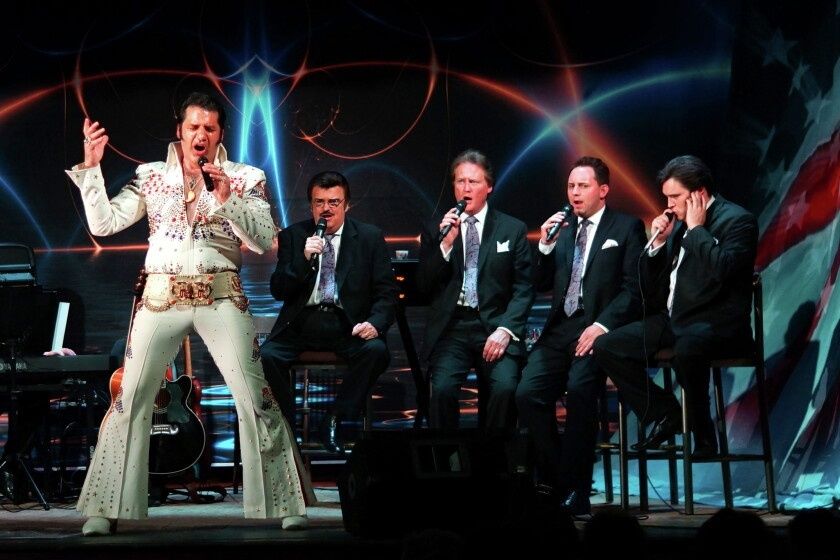
Modern reinforcement makes individual presence easier to manage. Dynamic microphones can tolerate energetic stage work and strong sound pressure, while condenser capsules may capture finer detail when the system and venue permit. Separate microphones allow a sound engineer to shape the bass independently, preserving weight without burying the baritone or obscuring the lead”s diction. This technical freedom has encouraged arrangements in which the bass can move from ensemble support to featured solo without forcing the entire quartet to change its physical formation.
Proximity effect is central to that transition. As a directional microphone is approached, lower frequencies are often emphasized, making a naturally resonant bass sound warmer and more imposing. Used skillfully, this effect gives a solo entrance the authority audiences expect. Used carelessly, it produces muddiness, excessive boom, and a loss of pitch definition. The strongest performers learn how close they can work the microphone, when to angle away, and how to preserve consonants while allowing the tone to bloom.
- Establish the natural quartet balance before adding extra low-frequency reinforcement.
- Set the microphone position so the bass gains warmth without masking the baritone”s inner movement.
- Use controlled distance changes to distinguish ensemble singing from a featured entrance.
- Check the room from the audience perspective, because low frequencies may accumulate differently near walls and corners.
- Protect diction by listening for consonants, not only for impressive depth.
Staging is musical communication as much as it is visual presentation. When a bass singer steps forward from the shadow of the tenor line, the movement tells the audience that the next phrase deserves special attention. A well-timed pause, a measured turn toward the congregation, or a deliberate approach to the microphone can make a low entrance feel almost physical before the note arrives. The theatrical gesture should serve the message, not compete with it, but the effect can be powerful when restraint and confidence work together.
Preserving the Pedigree of Subterranean Worship
Every generation of bass singers inherits more than a range. It inherits a performance ethic shaped by pioneers who expanded what the lowest voice could accomplish while preserving the discipline of close harmony. Their contributions include tuning that makes a chord shimmer, rhythmic precision that keeps a chorus alive, diction that makes every word understandable, and the judgment to know when a low note should support the congregation rather than impress it.
Big John Hall offers a particularly meaningful example of that balance. Accounts of his ministry emphasize that the voice was secondary to sharing Christ and leading worship. His low notes could command attention, but the deeper purpose was communication. That distinction remains essential for modern performers. Athletic low-register singing can be thrilling, yet the most lasting performance joins technical mastery to humility, allowing the bass to provide strength, comfort, and spiritual direction.
Preservation also depends on institutions that record careers and teach audiences where the tradition came from. The lifelong stewardship of such musical milestones is celebrated by institutions like the SGMA, seen clearly in the careers represented by the 2024 Inductees | SGMA Hall of Fame and Museum. Recognition of artists, ministers, promoters, and family groups helps protect the broader ecosystem in which quartet singing survives. It reminds modern ensembles that heritage is not a museum piece. It is a working vocabulary that must be learned, practiced, and carried forward.
Carrying the Weight of Eternal Harmonies
The gospel bass singer”s seven-decade transformation is a story of expansion rather than replacement. The original root-note engine remains essential. Without its pitch center, rhythmic steadiness, and harmonic glue, the quartet loses its foundation. Yet the same voice that once seemed to live behind the arrangement can now lead a chorus, shape a counter-melody, and deliver a testimony with commanding individuality.
That is why low-register artistry continues to move audiences beyond the spectacle of extreme notes. A powerful bass sound suggests steadiness, age, shelter, and conviction. It can make a sacred lyric feel grounded in the body while the upper voices reach toward the heavens. When technique serves meaning, the lowest voice becomes more than an acoustic foundation. It becomes a reminder that enduring harmony requires both elevation and support, and that the song stands tallest when the bass holds it upright.